What a $72/Month Address Buys You That a $2,000 Lease Doesn't
- Aug 21
- 6 min read

Oct 16, 2024
As we venture further into the 21st century, technological advancements continue to
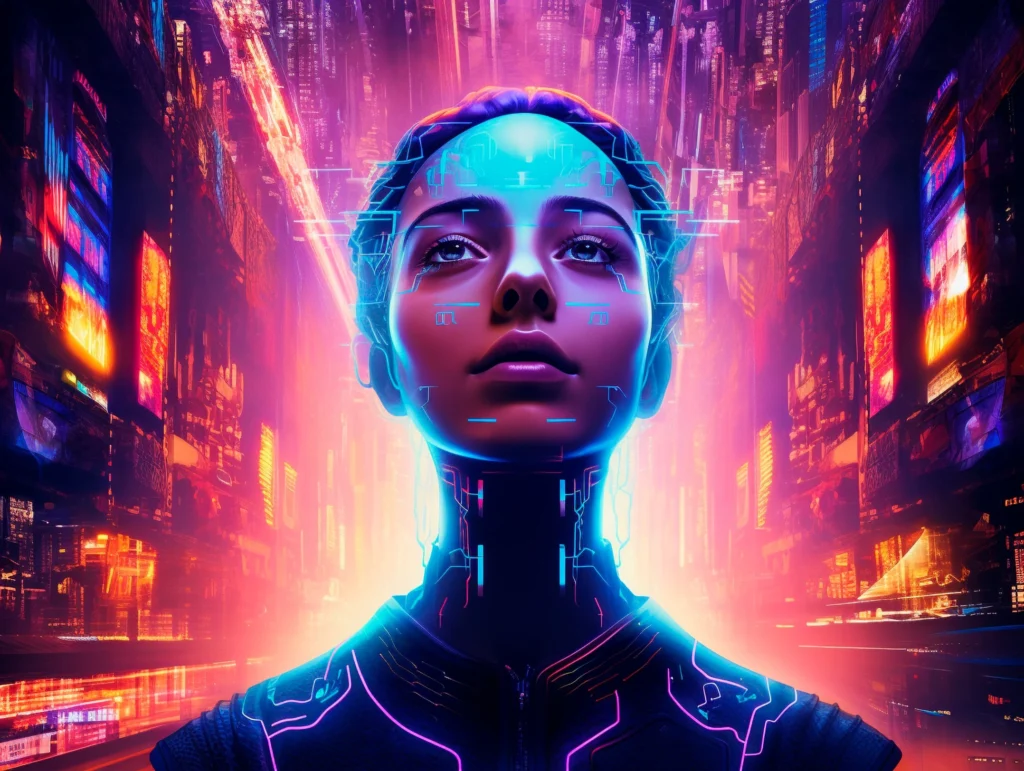
reshape various aspects of our lives, including creativity. Generative AI (GenAI) stands at the forefront of this transformation, allowing artists and creators to explore new realms of imagination and innovation. This article delves into how GenAI is redefining creativity and examining its implications across multiple dimensions in the digital age.
At the heart of the creative renaissance powered by GenAI is the fusion of technology and art. This intersection has birthed new forms of expression that were once thought impossible. Artists, writers, and musicians now have the tools at their disposal to create works that challenge traditional boundaries, fostering an environment where experimentation is not only encouraged but celebrated.
This new era is marked by a plethora of digital platforms that allow for the merging of human intuition with machine efficiency. Creators can utilize algorithms to generate music, visual art, and written works, leading to unprecedented outcomes. The resulting synergy illustrates a shift from solo endeavors to collaborative exploration, where the line between human and machine-generated content becomes increasingly blurred.
The rise of GenAI tools has democratized creativity, providing artists with accessible resources to enhance their craft. From text generation software to AI-driven graphic design applications, these tools enable creators to focus on their core ideas while automating more mundane tasks. This shift not only fosters individual expression but also encourages collaboration across various artistic disciplines, leading to a vibrant ecosystem of creativity.
The excitement surrounding GenAI is hardly without its challenges. It disrupts creative work in several significant ways:
The collaborative nature of GenAI promotes a partnership ethos in creative work. Instead of replacing human creativity, AI amplifies it, enabling artists to explore ideas that might have remained dormant. This partnership opens doors to new outcomes, offering the best of both worlds.
Many projects now see artists and AI working side by side, where the human artist provides context, emotion, and intent while the AI contributes breadth, depth, and experimentation. Such collaboration showcases the harmony that can exist when technology and creativity coexist.
Numerous case studies demonstrate how GenAI has been successfully leveraged to create engaging works of art. One such project is “The Next Rembrandt,” where over 168,000 images of Rembrandt’s paintings were analyzed using machine learning to create a completely new artwork in his style.
Similarly, in music, the collaboration between traditional composers and AI like AIVA has resulted in soundtracks that blend classical sensibilities with cutting-edge technology. These projects not only highlight GenAI’s capabilities but also illustrate the endless possibilities when art and technology converge.
As technology evolves, leaders in creative industries must remain vigilant and adaptable. Embracing GenAI requires forward-thinking strategies that prioritize innovation while addressing the concerns of their teams. This may include offering training programs to help artists learn how to effectively use new tools and navigate ethical dilemmas.
Additionally, fostering an open dialogue around the implications of GenAI will empower teams to contribute to the conversation, thus cultivating a supportive environment that embraces technological advancement while valuing human creativity.
Looking ahead, the future of content creation is undoubtedly intertwined with GenAI advancements. As technology continues to evolve, we can expect even more tailored and personalized forms of content that adapt to individual tastes and preferences.
Moreover, new genres and forms of storytelling will emerge as artists experiment with AI-driven narratives and visuals. This landscape will require constant adaptation from creators, who must embrace a mindset of lifelong learning to navigate the evolving landscape of digital creativity.
Finally, the question of authorship in AI-generated works is a topic of extensive debate. As machines learn from vast datasets to produce art, determining who holds the rights to these creations remains murky. Should it be the programmer, the artist who prompts the AI, or perhaps even the AI itself?
This conversation underscores the need for updated copyright legislation and a rethinking of the creative process. As we navigate these complexities, stakeholders in creative industries must work collaboratively to ensure that the future of creativity is equitable and inclusive.
In conclusion, GenAI is undeniably redefining creativity in the digital age, merging technology with artistry in ways that inspire innovation, collaboration, and ethical considerations. As we continue to explore this dynamic landscape, the potential for groundbreaking creativity remains limitless.